Earlier this month, FIAT merged with Chrysler to form FIAT Chrysler Automobiles group. FCA’s success has been questioned since the rumors of the group’s formation started earlier this year. It would be safe to assume that two declining companies—whose names are synonymous with unreliability—will not magically start producing relevant, quality cars with a simple name change. Here is why that assumption is wrong.
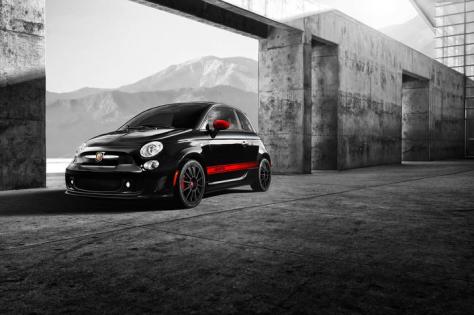
From a business perspective, the merging of the two companies seems to be a success. FCA had their initial public offering earlier this month, and their stock prices have been relatively stable. Chrysler, LLC. has been continuing their increase in sales—for the fifty-fourth consecutive month. Over the last few years, FIAT has been leaking into the North American market, and Chrysler is giving out subtle hints that it is trying to expand as well.
Although some might see NHTSA safety ratings as irrelevant in the grand scheme of car manufacturing and sales, these rating are not as superficial as they may seem. The Chrysler has held a steady four stars for quite some time; however, it was recently released that the 2015 model has bumped its way up to five stars. Given the strict automotive safety standards of the European Union, this increase in safety could be seen as a precursor to the larger global expansion from the American company. Some of the new models seem to have some European influence in their design as well, possibly alluding to potential focus on international sales in the near future.
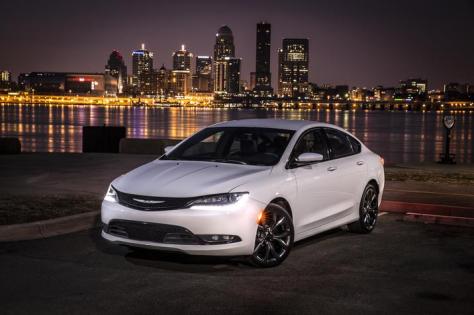
The future of Chrysler and its role in the FCA and the automotive industry as a whole seems bright. Besides the existence of FIAT Mopar parts—which feels inherently wrong—the 2015 Chrysler models seem to have potential at regaining some of the ground that the company has lost. For the last few years, Chrysler innovated in soccer mom technology and perfected the game of making knock-off Rolls Royces. As an example of the forward strides that the company is making, the 2015 Chrysler 200 appears to be a vast improvement from the older model. The Dodge production line, however, is what deserves the most appreciation.
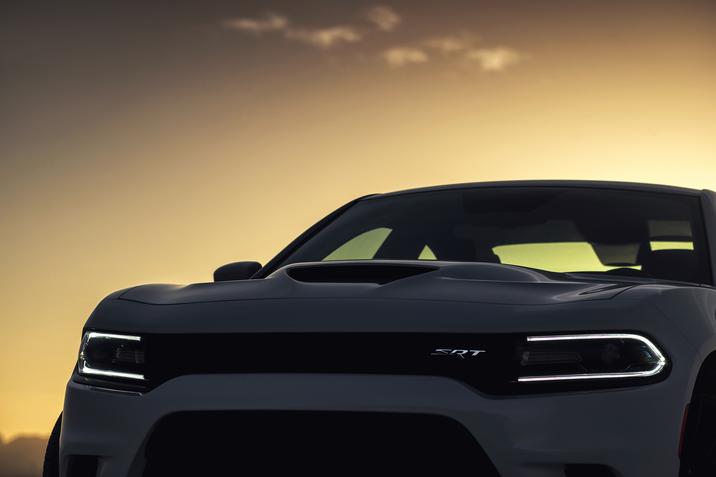
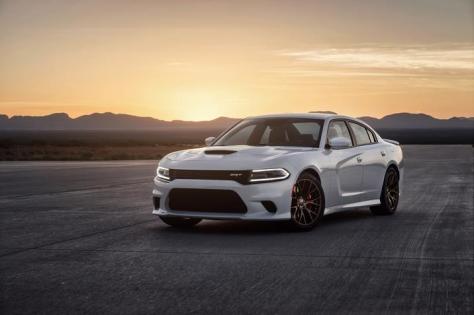
Dodge is seriously changing the game of American cars with their 2015 lineup. With the extremely anticipated Hellcat series, the company is releasing some very interesting cars onto the roads of our future. The Dodge Charger, a name once iconic in the world of muscle cars, has been overshadowed by the revival of the Chevrolet Camaro and even its brother, the Dodge Challenger. While both the Challenger and the Charger will have a Hellcat edition next year, the latter is more important for the future of muscle cars. The Dodge Charger SRT Hellcat will pack 707 horsepower (over 50 more than the new Corvette Z06), and will reach speeds over 200 miles per hour. This car is arguably one of the most accurate representation of a modern muscle car. Some may argue that the Camaro Z/28 deserves this title; while it is an impressive track car, it still doesn’t feel like a true muscle car. Dodge is really stepping its game up this year with the new lineup, while also innovating in the muscle car category. Those who disagree can decide which sounds more like a true muscle car for themselves: a rehashed design with a V6 engine or a sedan with modern, badass styling that claims the title of the most powerful production sedan ever created.
Even though many of the vehicles produced by companies within the FCA group will not be innovators in the industry, some standalone leaders prove that the group’s future has potential. As the automotive community screams out about how wrong my beliefs are, I will be sitting here patiently waiting for my predictions to unfold—and for the FIAT (or Abarth… or Alfa Romeo) Spider to be unveiled.
 Petrolholics